Table Of Content
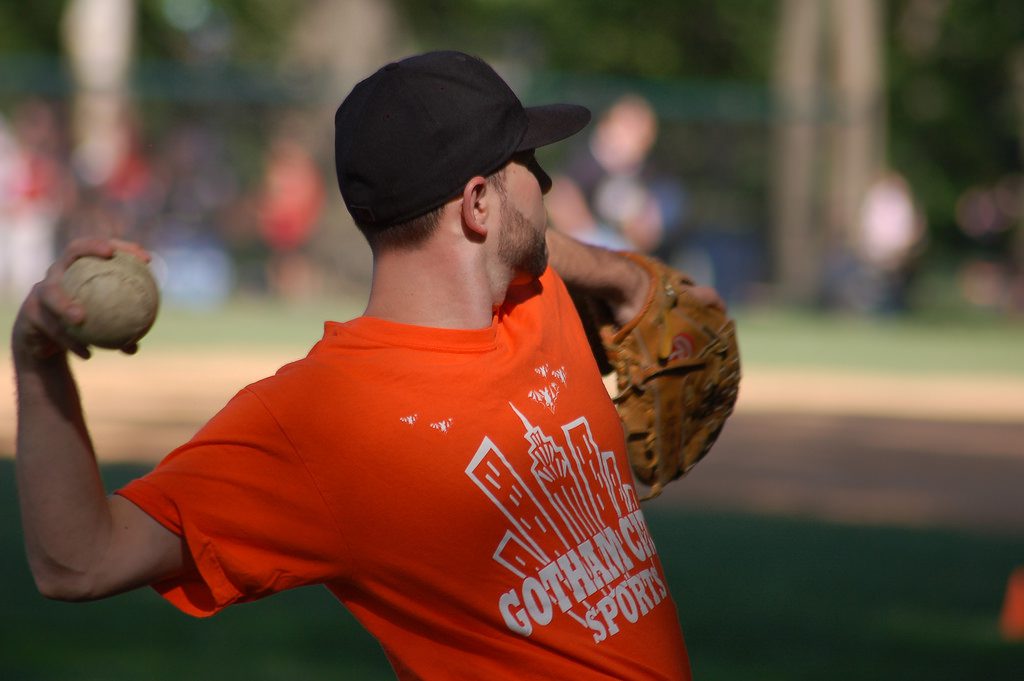
Ultimately, it's about balancing personal style, hair health, and overall well-being. Hats can be a fun and fashionable accessory, but it's important to prioritize your hair's health and maintain good hair care practices. With the right knowledge and approach, you can confidently wear hats without worrying about their impact on your hair.
Hat-Related Hair Thinning
Getting to the root of the problem (with your doctor's help) is the first step toward treatment. Here at LIVESTRONG.com, we carefully consider language surrounding sex and gender. Wearing a hat can be a quick way to elevate an outfit or hide a bad hair day. It's a tried-and-true accessory made for all seasons and many occasions. But wearing a hat every day can have some potential drawbacks (besides hat hair) if you aren't careful.
Help us end cancer as we know it, for everyone.
Dr. B helps patients get affordable care and everyday prescriptions, while expanding access to those who need it most. Hair is not just a statement of style but a dynamic feature of the human body, rooted deeply in the landscape of our skin. Every article on Health Guide goes through rigorous fact-checking by our team of medical reviewers. Our reviewers are trained medical professionals who ensure each article contains the most up-to-date information, and that medical details have been correctly interpreted by the writer. If you are experiencing serious medical symptoms, please see the National Library of Medicine’s list of signs you need emergency medical attention or call 911.
Can women experience hair loss?
In most cases, the issue arises from how hats are worn rather than the hats themselves. Tight-fitting hats that exert excessive pressure on the scalp can lead to a condition known as traction alopecia. This condition occurs when the hair follicles become damaged or inflamed due to constant tension or pulling. People may start to wear hats or wear them more often when they begin to experience hair loss such as alopecia. Products, such as Biotin, that are marketed as hair loss treatments are misleading.
Hairstyles and hair treatments
Meanwhile, scarring alopecias leave behind permanent hairless patches, a testament to the destructive power of unchecked inflammation. This usually isn't noticeable because new hair is growing in at the same time. Hair loss occurs when new hair doesn't replace the hair that has fallen out. The good news is that if traction alopecia is detected early enough, hair restoration is possible by removing the source of tension on the hair. If your hat is tight enough, it can cut off air and blood flow to your hair follicles, but it would need to be abnormally tight to do so.
Electric baseball cap may help to reverse male pattern balding - News-Medical.Net
Electric baseball cap may help to reverse male pattern balding.
Posted: Mon, 23 Sep 2019 07:00:00 GMT [source]
As usual, some can be dismissed outright (no, masturbating won’t make you go bald), but some bear further investigation. In rare cases, wearing a hat while you sweat could also be a factor. “The salts from sweat are physically irritating to the skin,” he says. If you wear a sweat-stained hat all the time, this irritation could lead to inflammation, which, again, could speed up the process of losing one’s hair, he says. Wearing a hat is unlikely to cause hair to fall out that wasn't already on its way out. You may think the hat is causing hair to shed because putting on or taking off a hat can pull out hairs that were already loosely attached and going to fall out anyway.
The hair growth cycle naturally involves shedding old hair to make room for new ones. Individuals lose between 50 and 100 hairs per day as part of this normal cycle. Wearing a hat will not significantly impact this pattern hair loss process unless the hat is excessively tight, causing tension and damage to the hair follicles.
Hat-Induced Balding
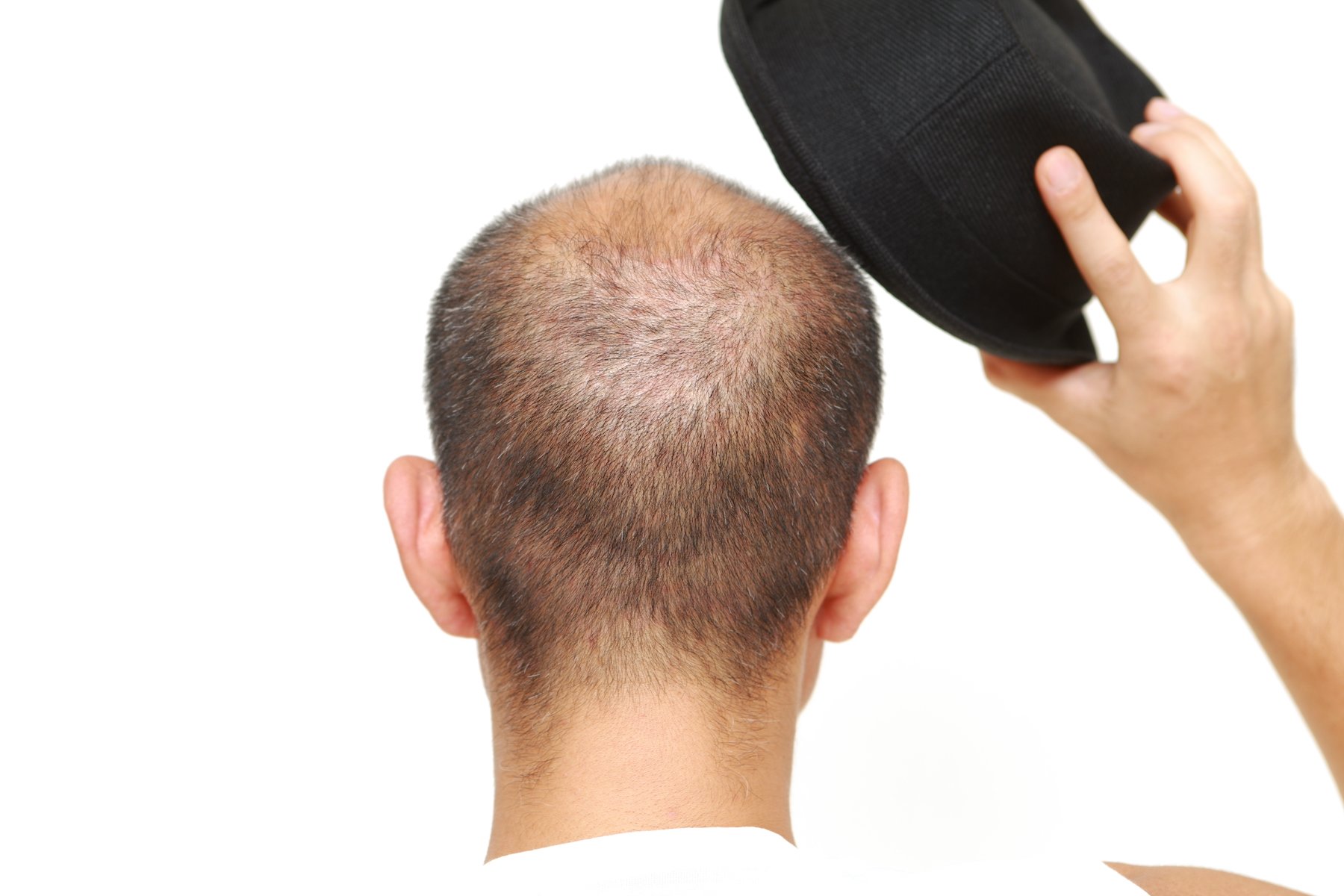
If you're worried about hats causing hair loss, try taking a break from wearing one every day or wear it for a shorter amount of time. This includes tight ponytails and buns, tight braids, cornrows, and locs. Evidence highlights that smoking has an adverse effect on hair health. Nicotine, tobacco, and other components present in cigarettes can build up in hair follicles and the hair shaft.

Ways to Prevent Traction Alopecia
Here are practical steps and considerations that can help maintain healthy hair and potentially reverse the effects of hair loss. If you have any medical questions or concerns, please talk to your healthcare provider. The articles on Health Guide are underpinned by peer-reviewed research and information drawn from medical societies and governmental agencies.
If you wear the same hat almost every day, or at least a few times a week, aim to wash the hat at least once a week. In most circumstances, this temporary problem doesn't require treatment. It can, however, be prevented by managing stress levels, per Dr. Geria.
Negative side effects of medications, like losing your hair, should be discussed with your doctor. Some people pull out their own hair as a way of dealing with negative or uncomfortable feelings. In addition to nicotine, cigarettes and cigarette smoke contain more than 7,000 components. Health experts recognize smoking as a major preventable cause of premature death and disability in the United States. Losing your hair and getting chemo is not pleasant, no matter how you look at it. You might even find yourself reaching for a hat long after your hair has grown back.
High levels of these hormones can cause excessive hairiness, while low levels of androgens can lead to thinning hair. Traction alopecia happens when there is repetitive tension on the hair roots, per the National Institutes of Health. A tight baseball cap or beanie that pulls on your hair every day could cause traction alopecia if you consistently wear it. The odds of a hat causing hair loss are slim, but it can happen — and it usually comes down to how the hat fits on your head. A hat would need to be exceptionally tight to cut off blood supply and air flow to the hair follicles. Even if this could occur, it would unlikely be the sole cause of hair loss.
There are however, certain hat-wearing habits that create undue tension on the hairline, causing hair to fall out over time. Read on to discover what they are and how to make sure that you don’t fall into these common pitfalls by observing proper cap protocol. One quick Google search for “hair loss treatments” yields millions of results—many of which feature questionable products, DIY fixes, and topical creams.
Depending on the kind, hats can keep you warm in the cold or protect your scalp, face, neck, and even shoulders from the sun. A person can also take certain supplements to help slow hair loss. However, it is important to discuss supplements with a doctor, as receiving too much of certain nutrients can accelerate hair loss. Be sure to give your scalp plenty of fresh air, especially when it’s hot, and keep it clean and dry to avoid any undesired fallout.
Your provider will need to know a few facts to get to the bottom of your hair problems. Recognizing these distinct types helps patients understand the broader picture of hair loss and its triggers. It also reinforces the notion that while hats might impact those with existing hair vulnerabilities, they are not a standalone cause. Stress, both physical and emotional, can precipitate hair loss, a response well-documented in medical literature. Before pursuing hair loss treatment, talk with your doctor about the cause of your hair loss and treatment options.
However, if you notice any significant changes in your hair health, you should speak to your GP as they can help find the underlying cause. Stick with hats made out of breathable material and make sure they don’t feel tight on your head. At Jae Pak MD Medical, we’re committed to cutting through the myths with evidence-based insights.



No comments:
Post a Comment